
Los españoles
2016
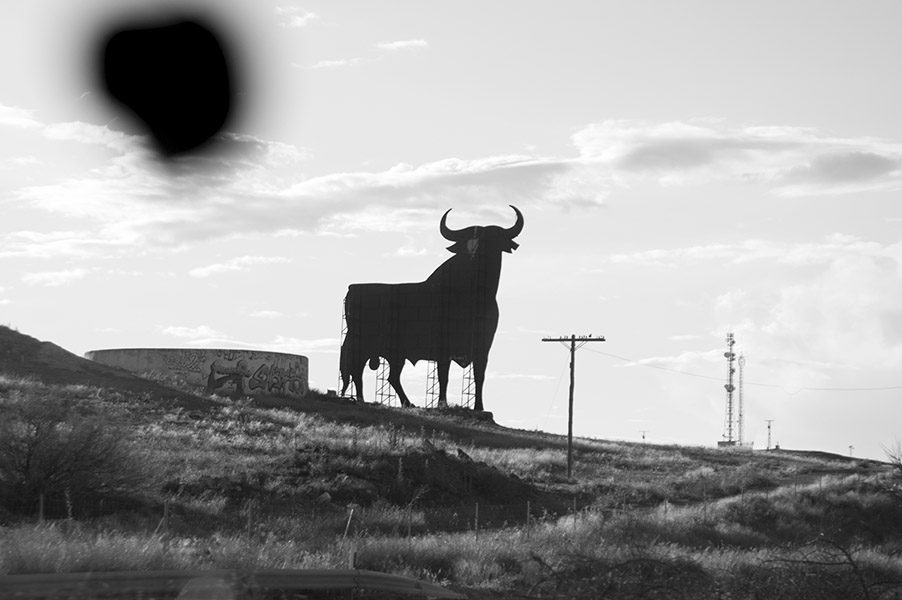
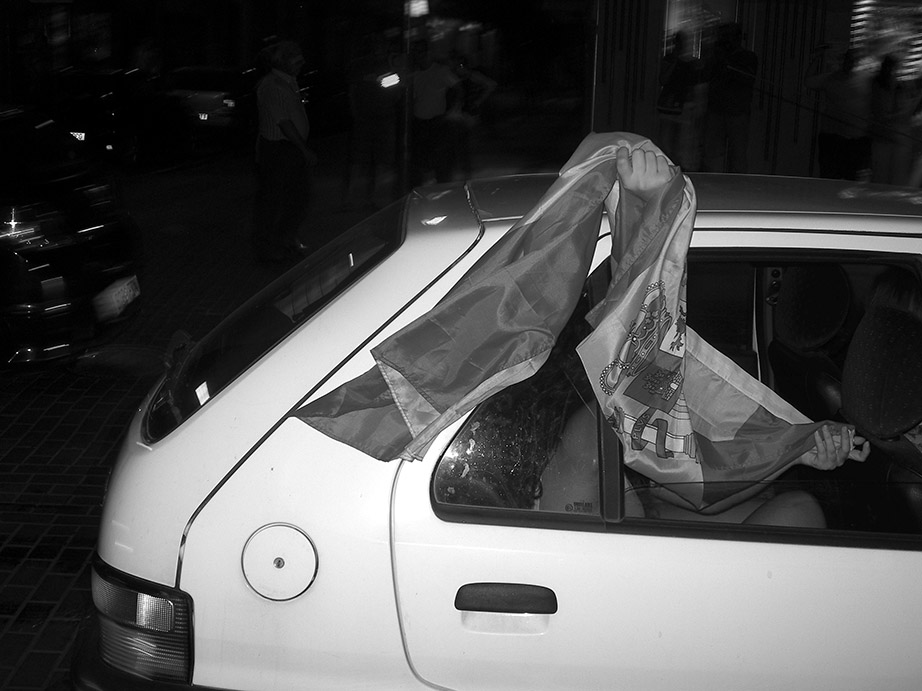
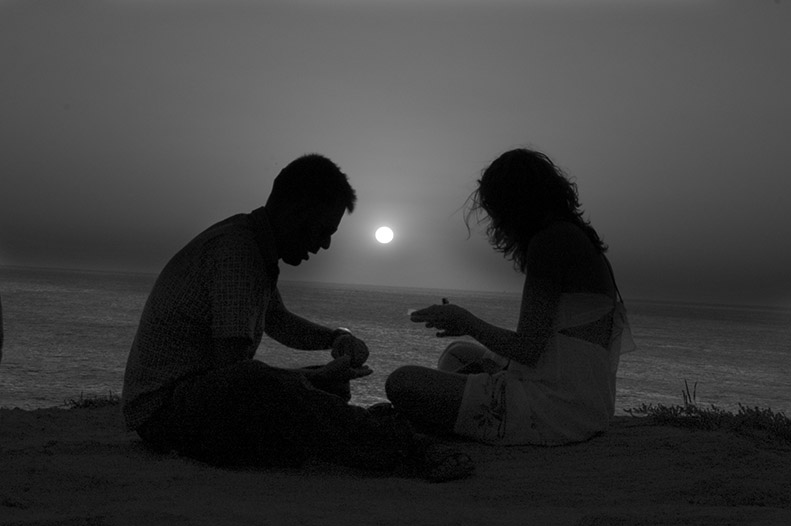
La descripción de un país a través de estas imágenes, este territorio de rancio abolengo donde sus raíces se sumergen en profundos surcos. Su historia germina en ese terruño para afianzar su tradiciones, un país mas de Sanchos que de Quijotes,donde la sabiduría se autoafirma en refranes para cualquier situación y para la contraria. Un lugar donde vale más lo de fuera que lo dentro, donde no se para de reivindicar lo propio como lo mejor. Una dicotomía que va dentro de cada uno de los españoles, la diferencia de no reconocer méritos individuales de tu vecino, que toda la gente puede ver, y el refugio que hace todo el mundo de resguardarse en la comunidad para identificarse con el éxito. Esa diferencia recogida en la época decimonónica donde el mundo moderno arranca, pero que a España la cogió a pie cambiado. Mientras el mundo occidental despegaba este país permanecía inmóvil en sus grandes glorias. Sus élites gobernantes no conseguían desarrollar a los poderes económicos anclados en su conservadurismo y sus cabezas culturales se refugiaban en un pasado edulcorado donde el antes siempre fue mejor. Todo este pensamiento se ha interiorizado en todos los ciudadanos generación tras generación hasta el choque con la vida actual. Perteneciendo al club de los grandes países del bienestar, de ese primer mundo privilegiado donde mucha gente cree que todo ha sido así siempre y disfruta de su confort. Todo globalizado pero todo individualizado, no deja de ser el gen del propio humano de supervivencia y ambición. Todo ese carácter forjado a través de su geografía, ese país forjado desde su interior, desde el centro, donde sus arterias nacen de su capital pero teniendo que saltar profundos accidentes geográficos. Donde cada valle tiene su identidad propia diferenciada y donde cada una de estas para su supervivencia ha tenido que fijar su personalidad y autoafirmarse. Toda esta comunicación se ha irradiado en las costas donde han dado ido a parar muchos de los recursos y saltándose el mundo rural, dejándolo desamparado. España siempre ha sido un mundo abierto al mar con mucho litoral y donde en la actualidad ha seguido la tendencia de vivir y recibir a sus visitantes. Desde turistas, que vienen por milllones, situandonos en la cima de las vacaciones mundiales, conviritiéndonos en un país de camareros donde se ha cambiado el modelo de emigración a inmigración. Muchos puestos de trabajo ya no emplean nacidos aquí, sino gente que viene a buscar un futuro mejor. Dando lugar a nuevas generaciones de españoles con raices lejanas, pero como en toda la historia humana y su nomadismo, formando familias donde la asimiación y su integración van caminando para cambiar, o no, a una nueva sociedad. De momento y con mucha lucha se aprecian los esfuerzos por la gran mayoría de asimilar a todo el que viene, como ha sido durante su historia como país de encuentro de culturas y cruce de caminos. En cuanto a la forma de vivir siempre ha estado muy arraigada la familia, a quién siempre se busca en los malos momentos como tabla de salvación, actualmente se esta produciendo un cambio por los nuevos tiempos. Esta variación hacia un modelo productivo donde la mujer se ha incorporo al mundo laboral y la nueva concepción de consumismo a dado lugar a tener que ganar dos sueldos para mantener cierto nivel de vida. Esto conlleva a nuestros abuelos a tener que cuidar de sus nietos para ayudar a sus hijos. Esas raíces heredadas de nuestra cultura judeo-cristiana y la gran influencia de la religión de casi todo el último siglo pasado, configura la estructura famliar tradicional, atropellada por todos los cambios, a los que no estaban acostumbrados los mayores, con nuevas fórmulas. La familia, la religión, mas de costumbre que de práctica, identifica el carácter de sus tradiciones, donde se orgullece el espíritu de los españoles mas que en ninguna otra manifestación. El escaparate de estas sin duda alguna se representan en sus fiestas casi todas ligadas a vírgenes y santos patrones donde se les honran con bailes, procesiones, festejos taurinos, todas bien regados con buenos caldos y sazonados con buenas tapas, porque aunque sea un tópico «España es una fiesta». Esta máxima en los malos y en los buenos momentos unifican a sus gentes, aunque con la diferenciación de sus regiones, no deja de ser la misma naturaleza humana de compartir momentos con tus mas allegados. Porque otra unificación es la amistad, esa de un pueblo que le gusta la calle, una buena terraza y un rato agradable para desconectar del duro trabajo, No podemos entender esta amistad sin los centros de reunión, un lugar donde encontrarse, ese sin dudarlo es el bar. Todos tienen uno en su cabecera aunque sea una o dos veces cada cierto tiempo, pero no dejan de ser esas parroquias laicas donde arreglar el mundo, quejarse en voz alta, ver el fútbol, o simplemente disfrutar de una buena charla en buena compañía. Esa cultura que vive en el barrio y en el pueblo, una cultura llana y sabía donde conviven ciertas reglas para poder ir llevando la vida, formar «tu» familia, elegida o concebida, donde pese a quien le pese se normalizan casi todas las situaciones, como siempre ha pasado. Una sociedad peculiar donde lo que mas a unido ha sido ganar un Mundial de fútbol, y quitarse el estigma de poder usar la bandera nacional, quizás la facilidad de identificarse con la victoria, porque siempre a sido un país con un fondo soñador y se ha identificado con causas perdidas. La dicotomía perpetua y de las siempre mal llamadas dos Españas. Una herencia de tradición que esta mas en los escritos, como este, que en la misma calle. Todo el mundo tiene que convivir con sus vecinos y ahí hay un trato de respeto mas llevadero que en los poderes fácticos mas interesados en separar que en unir.






https://www.youtube.com/watch?v=hbSNG3CJFzw